




What is rising damp?
As the name suggests, rising damp starts at the bottom of an internal wall and then moves upwards, this is due to capillary action. Porous bricks, mortar and cement in the ground floor and internal wall absorb water and suck it upwards, like a straw. The internal wall becomes permanently moist, encouraging the growth of mould and even damaging structures.
While damp proof courses (DPC) prevent water from being drawn up by the brick work stopping rising damp, they can become damaged over time, making a rising damp problem more likely in an older property as the older the DPC the more likely it can fail.
You can also identify rising damp in properties where the ground level has been changed; for example with the installation of a new driveway or path which then ‘breaches’ the DPC and moisture has a pathway over.
We have a number of cost-effective solutions available, simply pop your details in the form below and a member of the team will be in touch.
Signs of rising damp
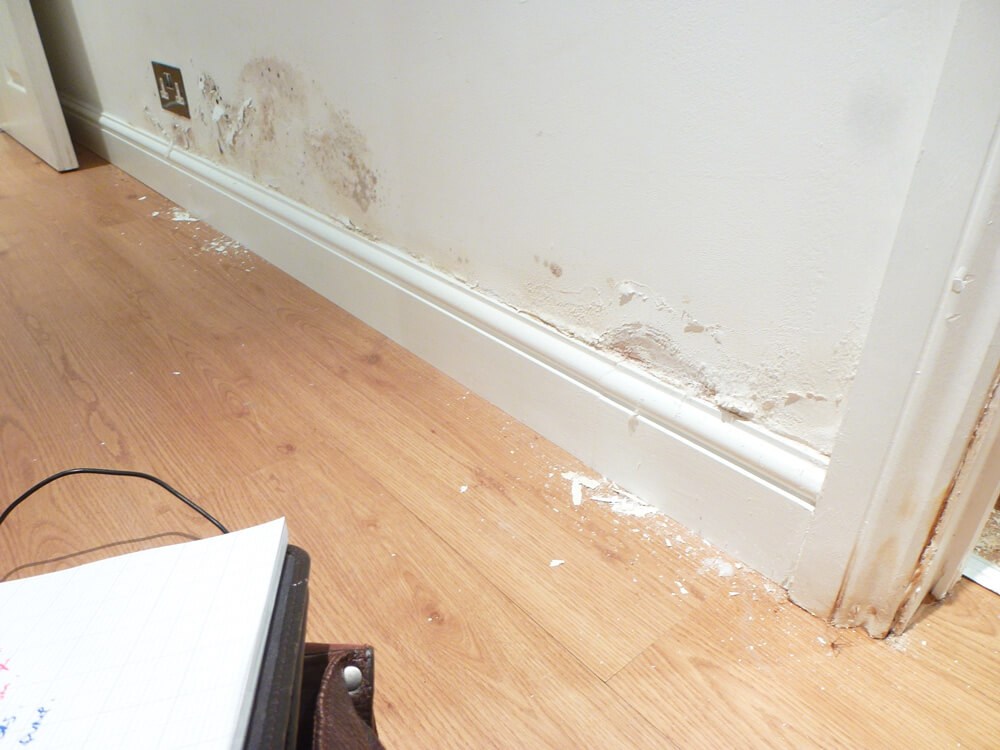
“Rising damp – it’s the phrase that no homeowner wants to hear, and no prospective buyer wants to see on their building survey. And while this form of damp problem is actually quite rare, it can be an extremely costly affair for British homeowners.”
Most houses constructed circa 1875 were then built with protection, damp-proof courses. If you have an older property you might not have these protective barriers. If you do discover a rising damp problem in your home, it’s important to speak to an expert as soon as you can to arrange treatment to cure the problem. Rising damp can cause superficial damage to internal walls, as well as structural damage to timber and masonry. It harbours mould, which can result in health problems for you and your family.

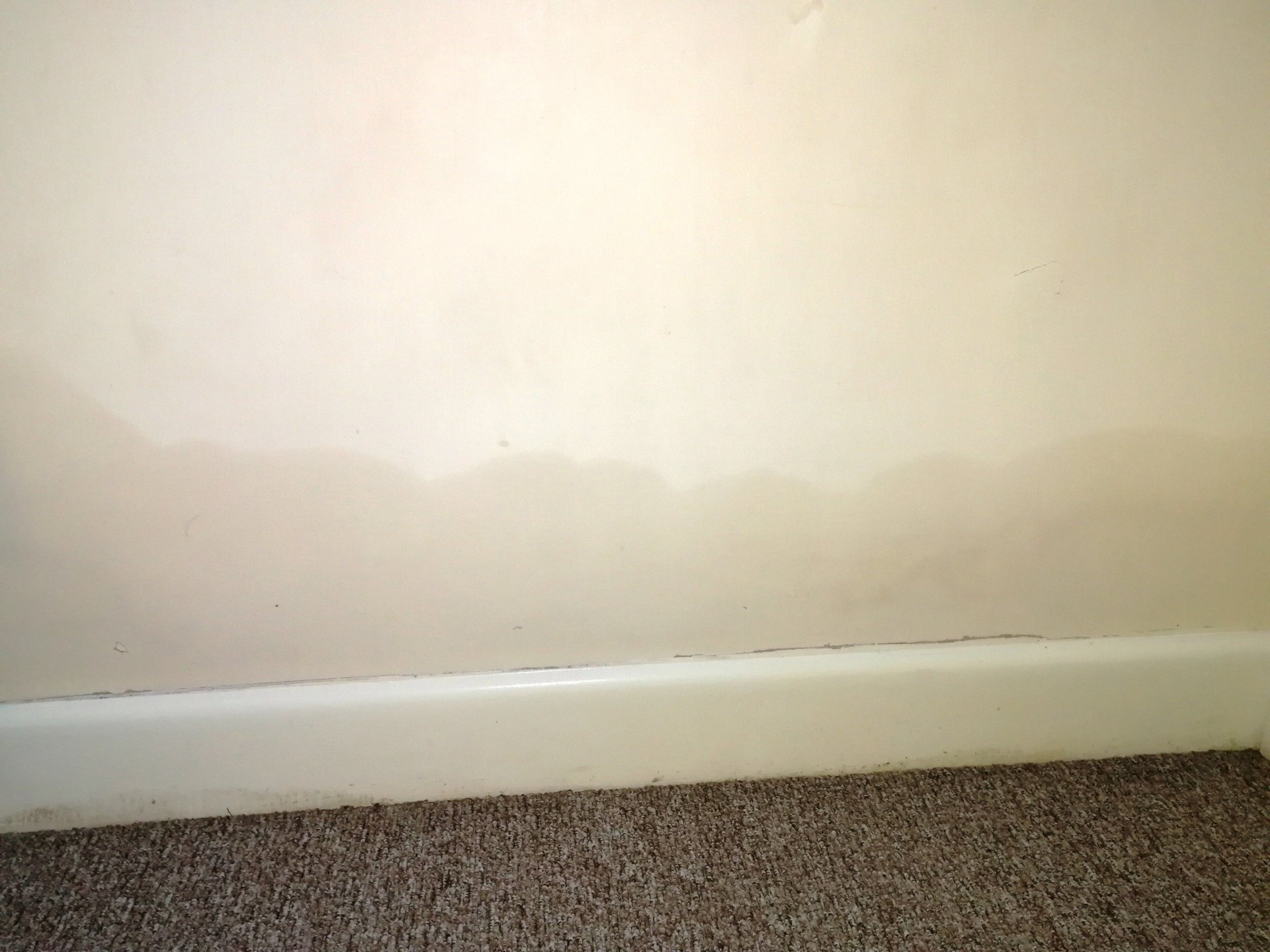
In severe cases rising damp can be identified by a characteristic “tide mark”. This mark is found on the lower section of affected walls where the rising damp is drying out through the plaster.
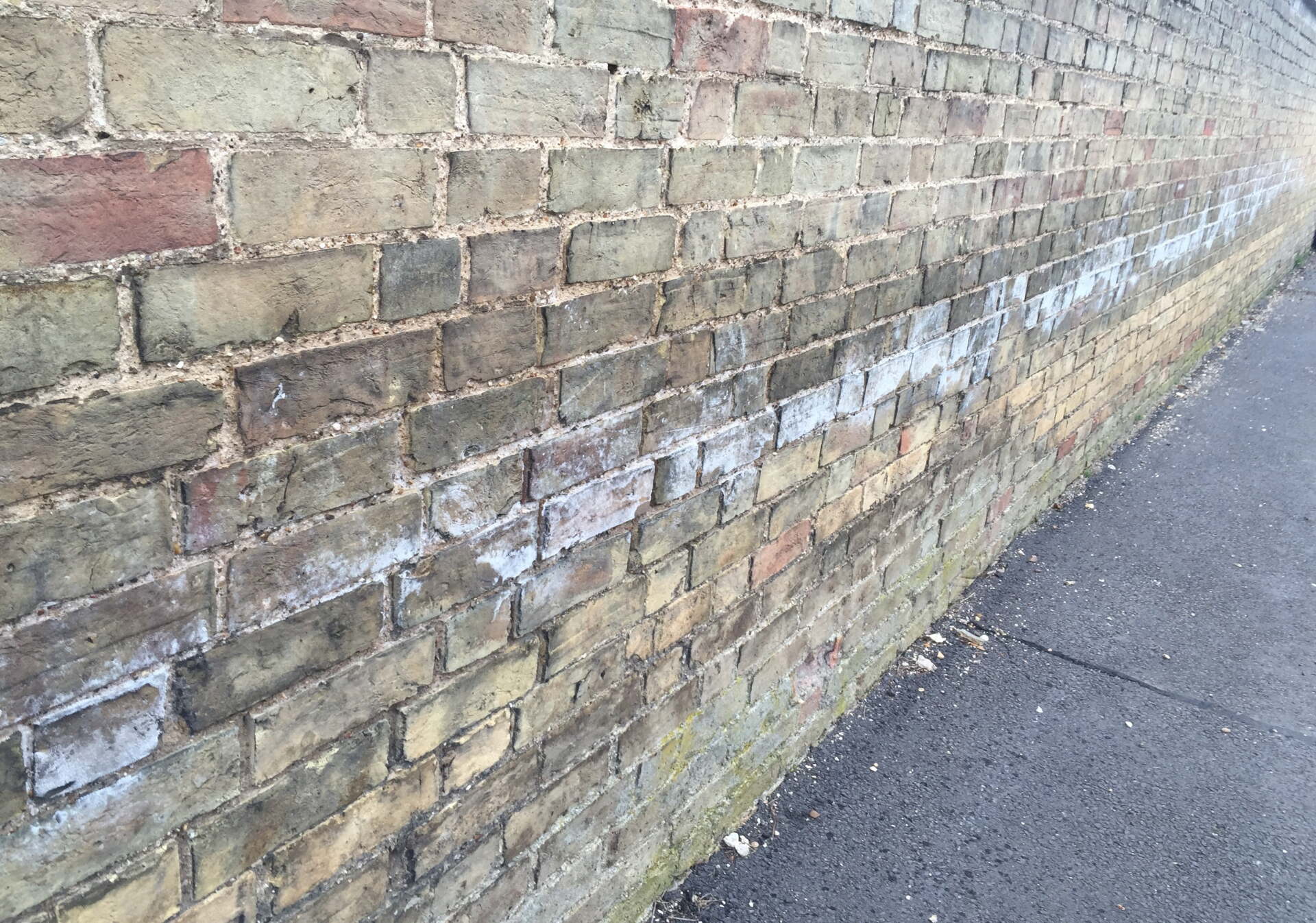
Rising damp also brings nitrate and chloride salts up from the ground. These salts are called ‘Hygroscopic’ which means the salts absorb moisture from the air. A tide mark starts to appear as the salts migrate to the surface creating marks on the wall surface and can damage the property plaster and decoration. These marks appear because of evaporation, the salts begin to accumulate on the surface and start to draw moisture from the atmosphere which adds to the moisture from the ground.
Book Your Free Survey Today!
Local Specialists • Fast Appointments • Fully Insured