





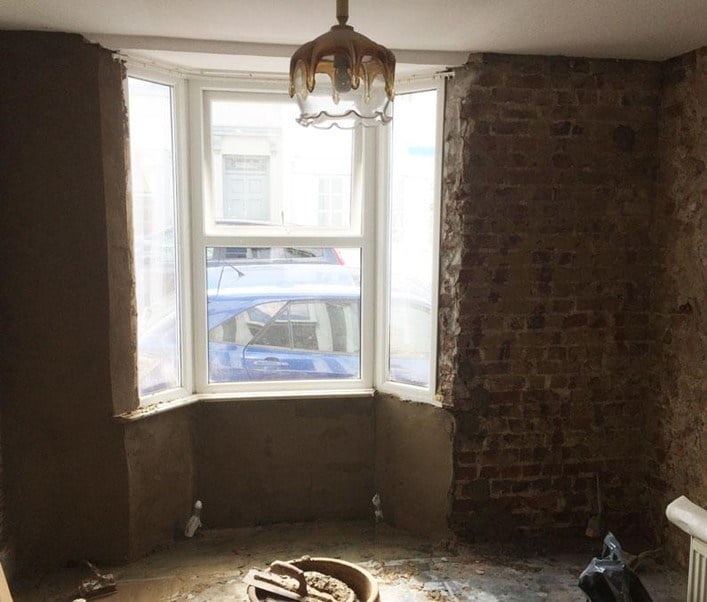
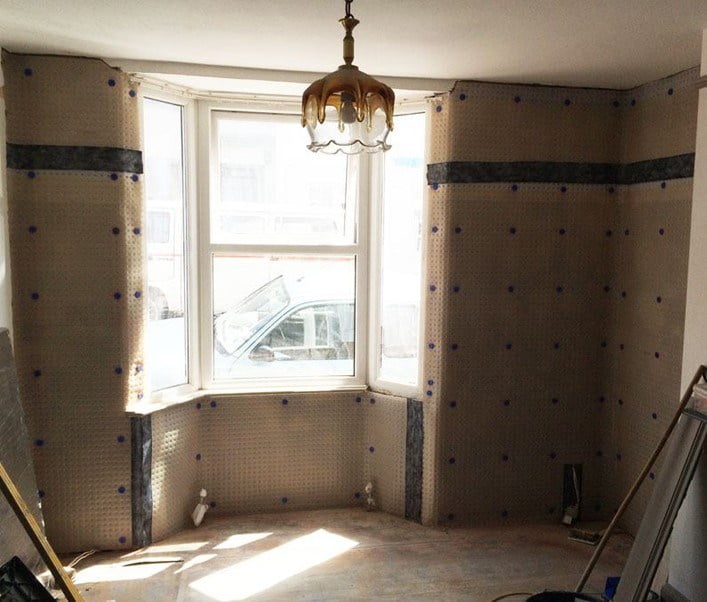

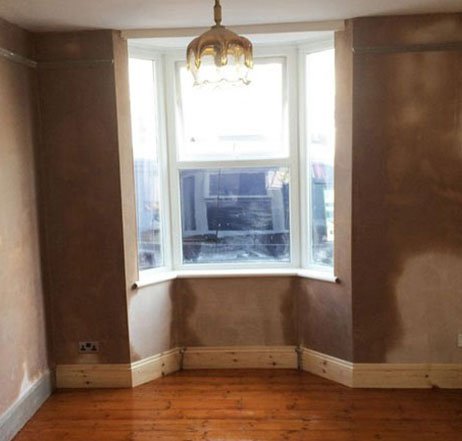
Identifying the problem
Just like with any damp problem identifying the source of the problem is the key to dealing with damp plaster. Damp plaster can occur for a number of reasons: condensation, penetrating damp or rising damp. Once you have dealt with the source of moisture it is then when the damp proof plastering will need to be undertaken.
Standard gypsum plasters soak up residual moisture left in the walls. Any salts in the wall migrate to the surface and break down the plaster. This will not only spoil the decorating surface but can also result in the structure of the plaster being permanently weakened.
Salt contamination
The most common reason for damp proof plastering to be used is for the protection against salt contamination. Once you have had a damp proof course installed and the wall is protected from rising damp then it is important that the right type of plaster is used to prevent salts from migrating onto the wall.
Traditional plasters are not good at preventing salt contamination from appearing on the surface of the wall which is why it might be worthwhile considering using a damp proof plaster to provide extra protection against rising dampness in future.
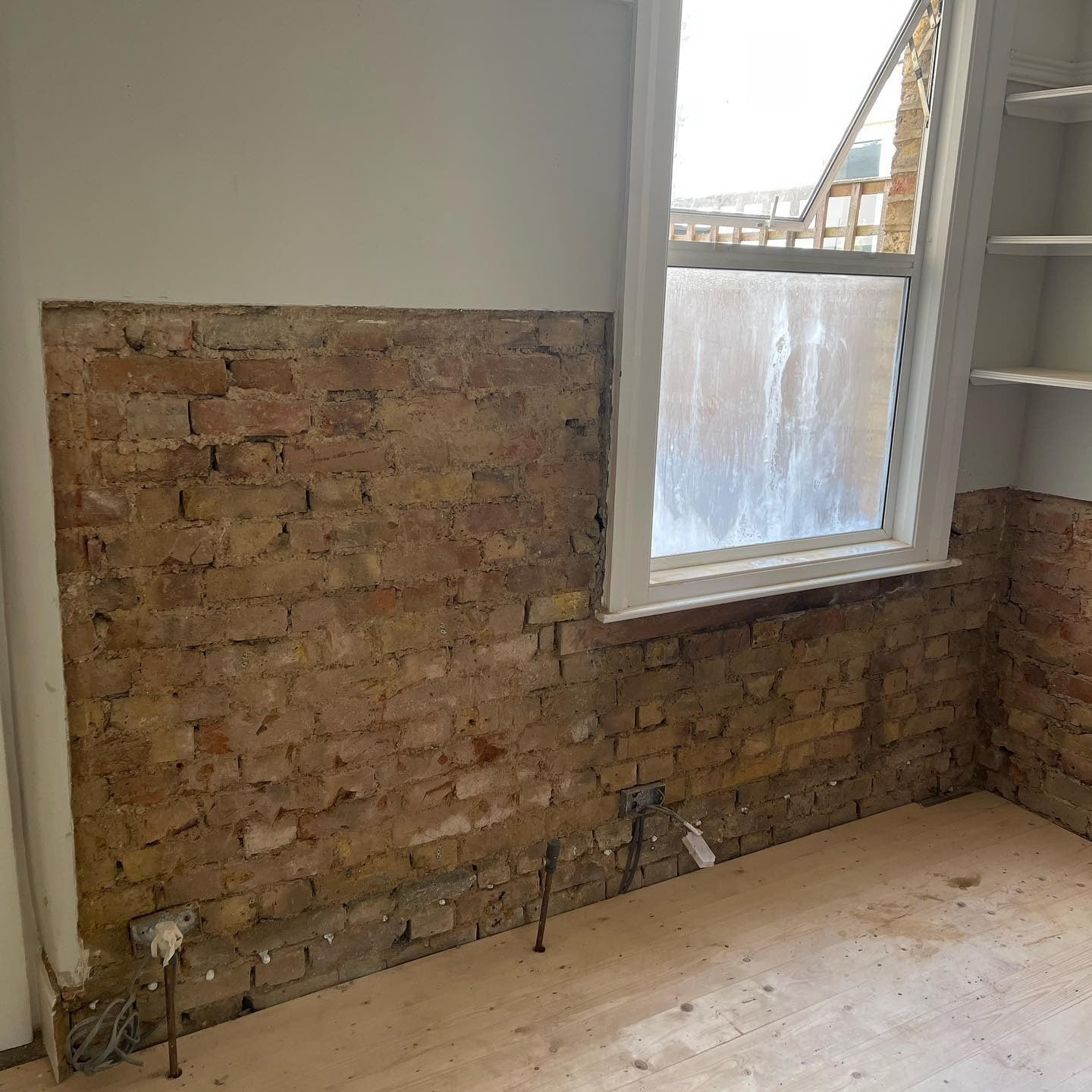



Damp proof plastering
Using the correct type of damp proof plaster can also reduce the chances of mould growth and condensation as a result of raising the temperature of the wall.
If the temperature of the wall is raised to a substantial level warm moist air cannot condense onto a cold surface. Damp proof plastering is specifically designed to be more breathable and porous which means it is can dry much faster than regular plaster.

Damp proof membrane
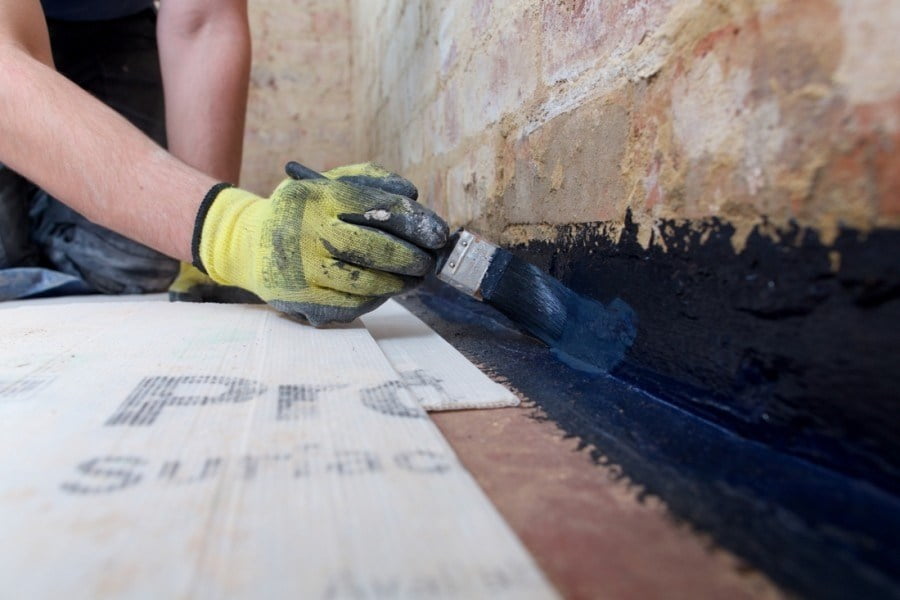
The installation of a liquid damp proof membrane is a vital stage in the construction process, for both new builds and refurbishment work where a structural DPM may be missing or damaged, or where residual construction moisture is present in the floor.
Book Your Free Survey Today!
Local Specialists • Fast Appointments • Fully Insured