

DMEV and PIV are the two ventilation systems we install most often to fix condensation and mould in UK homes.
TL;DR. Both systems fight condensation and mould, but they work in opposite directions. DMEV (Decentralised Mechanical Extract Ventilation) quietly extracts moist air at the source, room by room, making it ideal for bathrooms, kitchens and flats. PIV (Positive Input Ventilation) pushes filtered fresh air into the whole house from a loft-mounted unit, diluting humidity and pollutants everywhere at once. Choose DMEV for localised problems, PIV for whole-house condensation, or combine both for the most complete result. Neither is a fix for rising damp, penetrating damp or plumbing leaks. Those need separate treatment first.
Ventilation plays a critical role in maintaining a healthy and comfortable indoor environment. As UK homes become more airtight and energy efficient, the moisture we create every day from cooking, showering and drying clothes has fewer places to go. The result is condensation, streaming windows and black mould. Two systems dominate the UK residential market: DMEV and PIV. This guide explains how each works, where each one wins, and how to pick the right system for your home.
What is DMEV?
DMEV, or Decentralised Mechanical Extract Ventilation, is a system that removes stale, moist air directly from the rooms that produce it, usually bathrooms, kitchens and utility rooms. DMEV units are fitted through an external wall and run continuously at a low background level, ramping up automatically when a humidity sensor detects steam from a shower or cooking.
How does DMEV work?
The strengths and limitations of DMEV are clear cut:
- ✓Targeted extraction. Removes moisture and pollutants at the source, in the exact rooms that produce them.
- ✓Quiet and unobtrusive. Continuous low-speed running is near silent, far quieter than a traditional intermittent extractor fan.
- ✓Ideal for retrofits. Easy to install in individual problem rooms with minimal disruption, and perfect for flats without loft space.
- ✓Very low running costs. Energy-efficient continuous operation costs pennies a day, and complies with Part F of the Building Regulations.
- ✗Not whole-house ventilation. A DMEV fan only treats the room it sits in, so condensation in bedrooms or hallways is untouched.
- ✗Needs background ventilators. Trickle vents or air bricks are required for replacement air, or extraction performance suffers.
- ✗Costs scale with size. Larger properties may need multiple units, which adds up against a single whole-house system.
What is PIV?
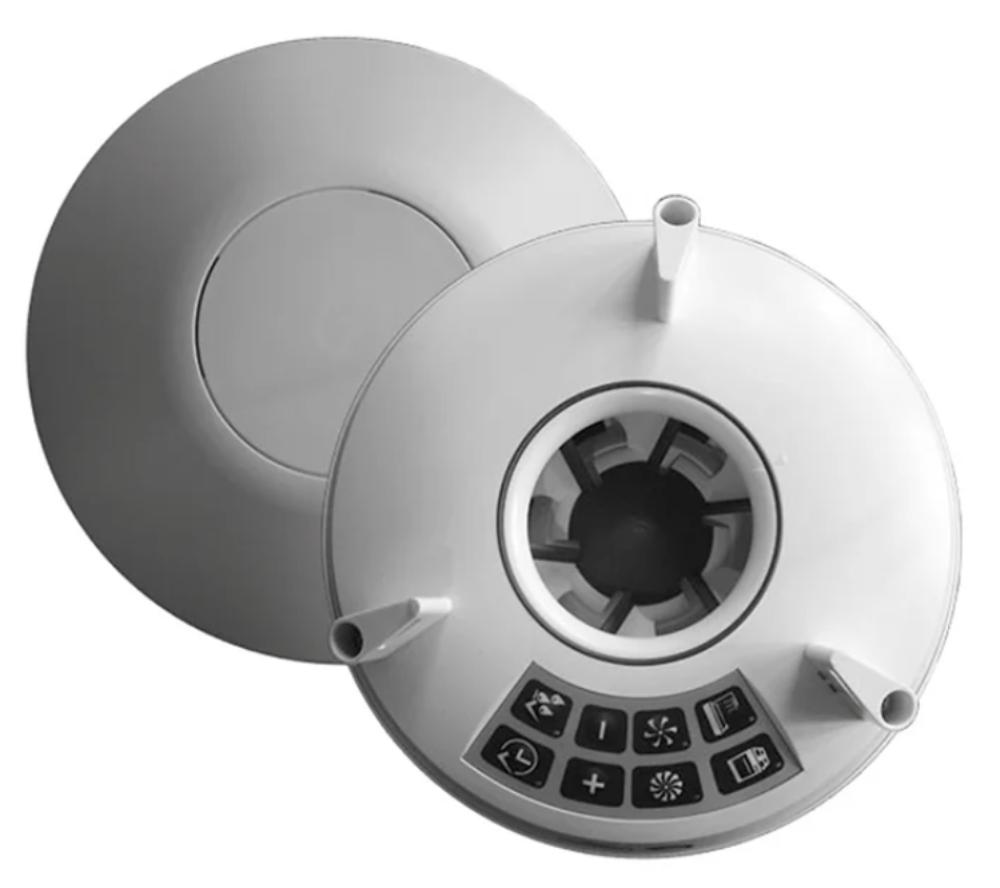
PIV, or Positive Input Ventilation, is a whole-house ventilation system. A single unit, usually mounted in the loft, draws in fresh air, filters it, and gently pushes it into the home through a central ceiling diffuser. The slight positive pressure this creates pushes stale, moist air out through natural leakage points and background ventilators.
How does PIV work?
PIV has its own distinct strengths and limitations:
- ✓Whole-house coverage. One unit improves air quality and reduces condensation and mould problems across the entire property.
- ✓Filtered incoming air. A real benefit for occupants with allergies or asthma, as pollen and pollutants are removed before air enters the home.
- ✓Low maintenance. Beyond a filter change every 6 to 12 months, there is very little to do.
- ✓Cost-effective. Often significantly more affordable than full MVHR systems while still treating the whole house.
- ✗Needs loft space. Houses need attic access for the standard unit, though wall-mounted versions exist for flats.
- ✗Doesn’t extract at source. Steam from a shower still spreads before it is diluted, so heavy moisture rooms may need extra help.
- ✗Less effective in very airtight homes. Without adequate leakage points or background ventilators, the pushed air has nowhere to go, and a poorly balanced system can cause draughts.
DMEV vs PIV: head to head
Both systems are effective, energy efficient and compliant with Building Regulations. The difference is how, and where, they move air.
| System | What it is | Best for | Coverage |
|---|---|---|---|
| DMEV | A quiet, continuously running extract fan fitted through the external wall of a wet room, with humidity-triggered boost. | Condensation or mould confined to specific rooms, flats without loft space, and retrofits in older properties where disruption must be minimal. | Per room |
| PIV | A loft-mounted unit that filters fresh air and gently pushes it into the home, displacing stale, moist air through natural leakage points. | Condensation affecting multiple rooms, allergy and asthma sufferers, and landlords wanting one low-maintenance system for the whole property. | Whole house |
The right specification depends on your property’s layout, airtightness and where the moisture is being produced. A free survey will identify which system, or combination, is right for your home.
Here is how the two compare on the factors that matter most to homeowners:
- Scope of ventilation. DMEV provides localised ventilation, ideal for managing moisture and odours in bathrooms and kitchens. PIV ventilates the whole house and improves overall indoor air quality.
- Installation. DMEV fits into individual rooms with minimal disruption. PIV is straightforward in homes with loft space but trickier in flats, although ceiling and wall-mounted variants exist.
- Running costs. Both are very cheap to run. DMEV’s continuous low-speed operation uses minimal energy, and PIV units with low-watt fans are similar, though models with heating elements will use more.
- Maintenance. DMEV needs only occasional cleaning of the fan unit. PIV needs a filter change every 6 to 12 months.
- Air quality. DMEV removes humidity and pollutants at the source. PIV dilutes and displaces them throughout the property, with the bonus of filtered incoming air.
- Cost. DMEV has a lower upfront cost per unit, but the total rises if several rooms need treating. PIV costs more initially but covers the entire home with one unit.
Indoor air can be two to five times more polluted than outdoor air. With most of our time spent indoors, effective ventilation is one of the most important upgrades a home can have.
Source: US EPA
Can DMEV and PIV be used together?
Yes, and in many homes it is the optimal solution. A PIV unit maintains whole-house air quality while DMEV fans in the bathroom and kitchen extract moisture directly at the source. This dual approach removes pollutants where they are produced and still delivers the dilution and positive pressure benefits of PIV across the rest of the property. It is particularly effective in homes where moisture levels vary significantly between rooms.
Diagnose first, treat second. Ventilation fixes condensation, but it will not fix rising damp, penetrating damp or plumbing leaks. A proper damp survey will tell you which type of moisture you’re dealing with before any system is specified. Installing ventilation over the wrong fault is one of the most common and most expensive mistakes we see.
Regulatory compliance
Both DMEV and PIV systems can help meet Part F of the UK Building Regulations, which sets the standard for adequate ventilation in new and existing homes. DMEV units typically come with documentation proving compliance, while PIV systems must be properly specified to meet the required airflow rates.
For landlords, adequate ventilation is also a key step toward compliance with Housing Health and Safety Rating System (HHSRS) standards and the requirements of Awaab’s Law, which puts strict legal timescales on fixing damp and mould hazards in rented homes.
Which should you choose?
The decision usually comes down to three questions: where is the moisture being produced, how much of the home is affected, and what access does the property offer?
- Choose DMEV if your problem is localised to one or two rooms, you live in a flat without loft space, or you want a quiet, discreet, low-cost fix for a steamy bathroom or kitchen.
- Choose PIV if condensation or mould affects multiple rooms, you have loft space available, or you want filtered air throughout the home for allergy or asthma sufferers.
- Combine both for the most complete result: PIV maintaining whole-house air quality with DMEV extracting at source in the wet rooms. Especially worthwhile in homes where moisture varies significantly from room to room.
- Still unsure? A free survey will assess your property’s layout, airtightness and moisture sources, and recommend the right condensation solution for each room.
Investing in proper ventilation is not just about comfort. It is about protecting your property and your health. Whether you choose DMEV, PIV or a combination of both, the key is tailoring the solution to your home’s layout, usage patterns and ventilation needs.
DMEV vs PIV FAQs
Will a PIV system stop condensation and mould?
Are DMEV and PIV systems noisy?
How much do they cost to run?
Can PIV be installed in a flat without a loft?
What maintenance do they need?
Do these systems meet Building Regulations?
Can I install a DMEV or PIV unit myself?
RATED ACROSS THE UK




Book your free ventilation survey
If you’re seeing condensation on windows, black mould in corners, or musty air that never clears, the first step is a proper survey. We’ll identify what’s causing the moisture, recommend the right system, and give you a written quote with no obligation.
Explore our services: Ventilation · Condensation · Mould Remediation · Damp Proofing


