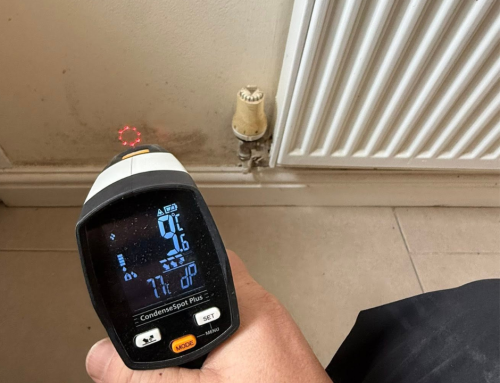

Being a landlord comes with a long list of responsibilities, from managing tenants and finances to ensuring your property is safe, habitable, and compliant with the law. One of the most overlooked issues in rental properties is damp and mould. Not only is it one of the most common tenant complaints, but it’s also one of the fastest ways to damage your reputation as a landlord.
The truth is that most damp problems could be prevented — but too many landlords fall into the same traps. In this article, we’ll explore the top landlord mistakes that cause damp and mould, explain the risks, and show you how to fix the issues before they spiral out of control.
Why Damp Matters More Than Ever for Landlords
Damp is more than an inconvenience. For tenants, it can cause health problems such as asthma, respiratory infections, and skin conditions. For landlords, it can mean:
-
Costly repairs if left untreated.
-
Disputes with tenants.
-
Complaints to local councils and environmental health.
-
Potential fines or legal action under Awaab’s Law and the Decent Homes Standard.
With stricter regulations being enforced in 2025, landlords must take damp and mould seriously. Avoiding these common landlord mistakes could save you thousands of pounds — and protect your reputation.
Landlord Mistake #1: Ignoring Early Warning Signs
Many landlords assume damp problems only become serious if tenants complain loudly enough. But by then, the damage is already done.
Common warning signs landlords miss:
-
Peeling wallpaper or paint.
-
Musty or damp smells.
-
Condensation trails on windows and walls.
-
Black mould forming on walls, ceilings, or behind furniture.
When these early signs are ignored, the underlying problem grows worse. What could have been a simple ventilation issue or small patch of rising damp often escalates into major plaster damage, rotten skirting boards, or even structural decay.
👉 Smart landlords act early by carrying out regular inspections, especially before winter and after long tenancies. Spotting problems early is one of the easiest ways to avoid costly damp repairs.
Landlord Mistake #2: Blaming Tenants Without Checking the Property
One of the most common landlord mistakes is to assume damp is always the tenant’s fault. You’ve probably heard (or even said):
-
“They’re not heating the property properly.”
-
“They’re drying clothes indoors.”
-
“It’s just lifestyle condensation.”
While tenant behaviour can contribute to damp, in many cases the real cause is the property itself. Poor ventilation, broken extractor fans, blocked air bricks, or inadequate heating systems are often to blame.
By automatically blaming tenants, landlords risk:
-
Damaging tenant relationships.
-
Facing disputes and complaints to local authorities.
-
Failing legal obligations under housing health and safety standards.
👉 The solution? Always investigate the property first. A professional damp survey will confirm whether the issue is structural, environmental, or tenant-related. This protects both you and your tenants.
Landlord Mistake #3: Relying on Quick Fixes
Another damaging landlord mistake is trying to solve damp cheaply with short-term fixes. Covering mould with paint, buying a budget dehumidifier, or spraying bleach may make the wall look better for a few weeks — but the root cause remains.
Why quick fixes fail:
-
Mould returns quickly if ventilation isn’t improved.
-
Covering damp can trap moisture, leading to hidden decay.
-
Tenants lose faith in landlords who only “paint over” problems.
Professional damp treatments, such as injection damp proof courses, basement tanking, or installing proper ventilation systems, may cost more initially but save money in the long run.
👉 Tip: Think long-term. Spending £500 on proper treatment now could prevent a £5,000 repair bill in two years’ time.
Landlord Mistake #4: Neglecting Ventilation and Heating
Properties that are poorly ventilated or inadequately heated are prime breeding grounds for damp. Unfortunately, many landlords overlook this when preparing a rental.
Common oversights:
-
No working extractor fans in bathrooms or kitchens.
-
Windows with no trickle vents.
-
Tenants unable to afford high heating costs due to inefficient systems.
This mistake often leads to condensation damp — the most common form of damp in UK rental properties.
Solutions landlords should consider:
-
Installing energy-efficient extractor fans.
-
Adding Positive Input Ventilation (PIV) units to prevent condensation build-up.
-
Ensuring heating systems are modern and affordable for tenants to run.
👉 Good ventilation and heating don’t just prevent damp — they also improve tenant satisfaction, reduce turnover, and protect your investment.
Landlord Mistake #5: Avoiding Professional Damp Surveys
The biggest and most costly mistake many landlords make is not commissioning a professional damp survey. Instead, they rely on guesswork or DIY fixes.
Why this is a mistake:
-
Without a survey, you don’t know if the issue is rising damp, condensation, or penetrating damp.
-
Incorrect treatment wastes money and leaves the problem unsolved.
-
A professional survey provides written evidence if disputes arise with tenants or councils.
Qualified damp surveyors use moisture meters, salt analysis, and decades of experience to pinpoint the exact cause. This ensures the right treatment is applied the first time.
👉 Booking a survey is not just about solving damp — it’s about protecting yourself legally as a landlord.
The Legal Risks of Damp for Landlords
Under housing regulations, landlords have a duty to provide tenants with a safe and healthy home. Damp and mould fall under Category 1 Hazards in the Housing Health and Safety Rating System (HHSRS).
Failing to deal with damp can result in:
-
Improvement notices from local councils.
-
Compensation claims from tenants.
-
Court action under Awaab’s Law.
-
Damage to reputation through online reviews and complaints.
👉 Put simply: ignoring damp is no longer an option.
How to Avoid These Landlord Mistakes
-
Carry out regular inspections — at least twice a year.
-
Act quickly when tenants report damp.
-
Fix root causes, not symptoms.
-
Upgrade ventilation and heating where needed.
-
Book a professional damp survey to diagnose issues correctly.
By avoiding these common landlord mistakes, you’ll not only protect your property but also build stronger relationships with tenants and safeguard your reputation as a responsible landlord.
Final Thoughts: Damp Is a Landlord Problem You Can’t Afford to Ignore
The biggest landlord mistakes with damp often come down to neglect, assumption, or cost-cutting. But the cost of inaction is far higher than the cost of prevention.
With tighter regulations, growing tenant awareness, and the financial risks of ignoring issues, landlords who take damp seriously are the ones who stay ahead.
If you’re a landlord and suspect damp in your property, don’t leave it to chance. Book a professional damp survey today and make sure you’re protecting your investment, your tenants, and your reputation.