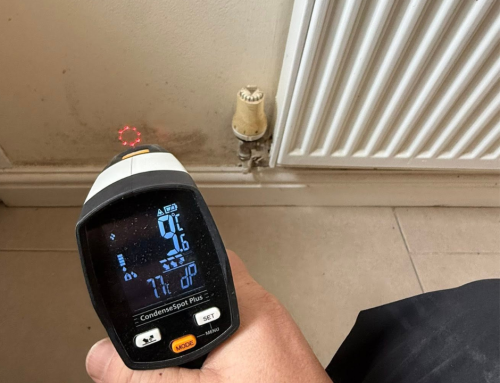

When damp is found in your property, it’s only natural to wonder how long it will take for the wall to dry. Damp patches are unsightly, plaster begins to flake, wallpaper bubbles, and mould makes rooms feel unpleasant. Once treated with SecoMUR®, the most common question we hear from homeowners is simple:
“Now that the damp is fixed, how long until the wall is dry?”
This guide takes you step by step through what happens after SecoMUR is applied, how long it usually takes for a wall to dry, what factors affect the timeline, and how you can speed up the process.
Why Drying Time Matters
Drying out is the final stage in beating damp. SecoMUR stops moisture from rising, but the existing water inside the wall doesn’t disappear overnight. Knowing how long it takes for a wall to dry helps you plan redecoration, prevent salt damage, and manage expectations.
What SecoMUR Does
SecoMUR is a silane-based injection system that creates a chemical damp proof course. Once injected, it blocks rising damp by lining the pores of the masonry with a water-repellent barrier.
From that moment, new moisture cannot enter. But it’s important to understand: the moisture already trapped inside still needs time to evaporate before your wall is dry.
General Timeline: How Long for a Wall to Dry?
A standard rule used across the damp proofing industry is “one month per inch.” That means:
- A solid brick wall will take 6-12 months.
- Older stone walls can take up to a year or more before the wall is dry throughout.
This doesn’t mean you won’t notice progress earlier. Most homeowners see patches fading within weeks of treatment, but complete drying is a gradual process.
What Affects How Long It Takes a Wall to Dry?
- Wall thickness & material – Thicker, denser masonry holds more water.
- Plaster type – Old gypsum plaster traps salts. Renovation plasters breathe, helping the wall to dry faster.
- Environment – Warm, ventilated rooms dry quickly; cold, damp ones slow the process.
- Ventilation – Airflow removes evaporated moisture, speeding up drying.
- Severity of damp before treatment – The longer damp has been present, the more water the wall has absorbed.
Helping Your Wall to Dry Faster
After SecoMUR, you can help the process along:
- Keep heating consistent.
- Ventilate rooms daily.
- Run a dehumidifier to pull moisture from the air.
- Avoid sealing the wall with non-breathable paints.
- Leave space behind furniture for airflow.
These small steps can significantly reduce the time it takes for a wall to dry.
When Can You Redecorate?
It’s tempting to repaint straight away, but redecoration should wait until the wall is dry. In most cases, that’s 6–12 months after treatment. If you redecorate too early, moisture and salts can ruin the finish.
If re-plastering with a breathable system, light decoration may be possible sooner, but always stick with breathable paints first.
Conclusion
So, how long does it take for a wall to dry after SecoMUR treatment? Typically six to twelve months, depending on thickness, plaster type, and conditions. What matters most is that SecoMUR has stopped the source of damp — from that moment, drying is just a matter of time and patience.
At Home Building & Surveying Company, we specialise in SecoMUR treatment across England. Our experts can guide you through the drying process, recommend the right plaster system, and advise when it’s safe to redecorate.
👉 Book your free damp survey today and let us help your walls to dry once and for all.