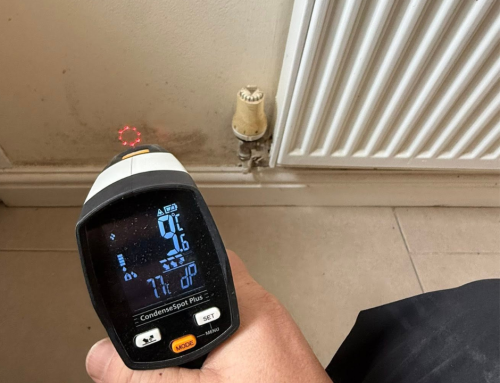

Mould in homes is no longer just a cosmetic concern. Across the UK, growing evidence links household mould exposure to serious health problems in children, including respiratory illness, asthma, weakened immunity, poor sleep, and developmental issues. Many parents assume mould is simply condensation or an old-house problem, but in reality it is a symptom of underlying damp, moisture imbalance, and ventilation failure.
In UK homes, mould growth is driven by damp conditions such as rising damp, penetrating damp, condensation, and hidden leaks. These problems often go unnoticed until visible mould appears on walls, ceilings, or around windows. By that stage, harmful spores may have already been circulating in the air for months.
This post explains how mould affects children’s health, why children are more vulnerable, the warning signs parents must not ignore, and what UK families can do to protect their homes and their children.
Why Children Are More Vulnerable to Mould Exposure
Children are significantly more sensitive to poor indoor air quality than adults. Their developing lungs and immune systems make them far more susceptible to airborne mould spores and damp-related pollutants.
Physical vulnerability in children
- Smaller airways that inflame more easily
- Developing respiratory systems
- Higher breathing rates relative to body size
- Immature immune response
Environmental exposure
- Children spend more time indoors
- Bedrooms are often the most condensation-prone rooms
- Poor ventilation increases airborne spore concentration
Health Effects of Mould on Children
Respiratory illness
- Persistent coughing
- Wheezing
- Shortness of breath
- Chest tightness
- Recurrent chest infections
Children in mould-affected homes have a higher risk of developing asthma or experiencing worsening asthma symptoms.
Allergic reactions
- Runny nose
- Sneezing
- Itchy eyes
- Skin irritation
- Eczema flare-ups
Immune system stress
Chronic damp and mould exposure can reduce immune resilience and increase susceptibility to infections.
Sleep and behaviour
- Poor sleep quality
- Fatigue
- Reduced school concentration
- Behavioural changes
Developmental risks
Long-term exposure to poor indoor air quality can affect learning, cognitive development, and emotional wellbeing.
Common Myths About Mould in UK Homes
“It’s just condensation”
Persistent condensation creates the exact moisture conditions mould requires to grow. If windows are wet every morning, or walls feel damp and cold, it’s a warning sign — not a normal part of winter.
“Only old houses get mould”
New builds frequently suffer mould due to airtight construction, poor airflow balance, and insufficient extraction in bathrooms and kitchens.
“A dehumidifier fixes damp”
Dehumidifiers can help reduce humidity, but they do not resolve rising damp, penetrating damp, hidden leaks, or ventilation failure. They manage symptoms, not causes.
“Cleaning mould solves the problem”
Surface cleaning removes visible mould but not the moisture source. Without fixing the underlying damp or ventilation issue, mould will return.
Where Mould Commonly Forms in Family Homes
High-risk areas
- Children’s bedrooms
- Bathrooms
- Kitchens
- External walls
- Window reveals
- Ceiling corners
Hidden mould zones
- Behind wardrobes
- Behind beds
- Wall cavities
- Under flooring
- Loft spaces
Hidden mould is often more dangerous than visible mould because exposure can continue unnoticed for long periods.
The Damp and Mould Connection
Mould cannot exist without moisture. The primary causes of damp in UK homes include rising damp, penetrating damp, condensation, hidden leaks, and building defects.
Rising damp
Moisture travels upward from the ground into internal walls. Common signs include tide marks, salt deposits, and crumbling skirting boards.
Penetrating damp
Water enters through external walls or roofing issues, often caused by cracked render, failed pointing, defective gutters, or broken tiles.
Condensation
Excess humidity meets cold surfaces and turns into water droplets. Poor ventilation and overcrowding of furniture against external walls make this worse.
Plumbing leaks
Hidden pipework failures behind walls and floors can create long-term damp and mould without obvious visible leaks.
Building defects
Cold bridging, insulation failure, and poor damp-proof systems can create persistent moisture patterns that repeatedly cause mould growth.
Warning Signs Parents Should Never Ignore
Visual signs
- Black mould patches
- Green mould growth
- Wall staining
- Peeling paint or wallpaper
Environmental signs
- Musty smells
- Daily window condensation
- Damp, cold walls
Health signs in children
- Night-time coughing
- Recurrent infections
- Breathing difficulties
- Worsening asthma symptoms
- Persistent fatigue
Why Painting Over Mould Makes the Problem Worse
Painting over mould traps moisture inside the structure and can accelerate structural decay, spore spread, timber rot, and insulation saturation. This often leads to larger hidden outbreaks and deeper repairs later.
Psychological and Emotional Impact on Families
Living with damp and mould can cause parental anxiety, chronic stress, sleep disruption, and financial pressure. When children’s health is affected, families often feel stuck and overwhelmed. Fixing the cause of damp is not just a property decision — it’s a wellbeing decision.
Legal Responsibilities in the UK
Damp and mould can be recognised health hazards under UK housing standards. Landlords have legal duties to provide safe, healthy living environments. If you are renting and mould is impacting your child’s health, it should be investigated and addressed properly — not covered up.
Prevention and Protection Strategies
Short-term control
- Improve ventilation (open trickle vents and allow airflow)
- Reduce indoor moisture (use lids, close bathroom doors, dry laundry sensibly)
- Use extractor fans properly and leave them running after showers/cooking
- Keep furniture slightly away from external walls
Long-term solutions
- Professional damp survey
- Structural damp treatment where required
- Ventilation upgrades (e.g., improved extraction or whole-house systems)
- Insulation correction to reduce cold bridging
- Moisture management systems matched to the property
Why Professional Damp Diagnosis Is Essential
DIY checks can’t reliably detect structural moisture, hidden damp, wall saturation, insulation moisture, or airflow failures. If mould is recurring — especially in a child’s bedroom — the cause needs proper diagnosis.
Professional survey methods
- Moisture mapping and meter readings
- Hygrometer testing to measure humidity patterns
- Thermal imaging to identify cold bridging and damp zones
- Structural assessment of walls, plaster, and external defects
- Ventilation analysis for airflow and extraction performance
Early Action Saves Health and Cost
Early diagnosis prevents long-term health damage, structural decay, and expensive repairs. Most families only act once symptoms become severe, but mould is one of those issues where early intervention makes a major difference.
Protecting Your Children Starts With a Healthy Home
Mould is not cosmetic.
Damp is not harmless.
Persistent condensation is not normal.
Healthy air quality, moisture control, and structural integrity are essential for child development. If you suspect mould exposure is affecting your child’s health, don’t rely on guesswork or temporary fixes.
Book a Damp & Mould Survey
If your home shows signs of damp, mould, or ongoing condensation, book a professional damp and mould survey to identify the cause — not just the symptoms.
Early action protects:
- Your children’s health
- Your family’s wellbeing
- Your property’s structure and value
- Your long-term peace of mind
Contact Home Building & Surveying Company (HBASC)
Evidence-based diagnosis. Long-term solutions. Healthy homes for UK families.
FAQs
Can mould cause asthma in children?
Yes. Children living in mould-affected homes have a higher risk of asthma development and worsening respiratory symptoms.
Is condensation mould dangerous?
Yes. Condensation creates the moisture conditions mould needs to grow, and persistent mould exposure can affect children’s health.
Does cleaning mould fix the problem?
No. Cleaning can remove visible mould, but unless the damp or ventilation issue is fixed, mould will return.
Should I get a damp survey if my child is coughing at night?
Yes. Night-time coughing can be linked to poor indoor air quality. A professional damp survey helps identify mould, damp, and ventilation causes.