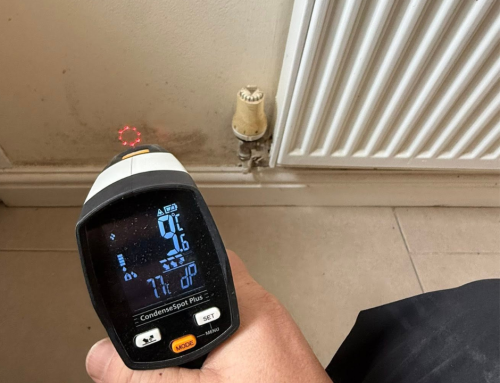

Damp is one of the most common issues faced by both landlords and tenants. Left untreated, it can lead to serious health risks, structural damage, and legal disputes. But what happens if a tenant refuse access for a damp survey? Can they legally do that? And what rights do landlords have in such situations?
In this post, we break down everything you need to know about tenant access rights, landlord responsibilities, and the latest legislative updates.
Tenant Rights vs Landlord Responsibilities
Tenants in the UK are legally entitled to what’s known as the “right to quiet enjoyment” of their home. This means they have the right to live in the property without unnecessary interference. However, landlords also have legal duties, particularly when it comes to maintenance and repairs.
Under the Landlord and Tenant Act 1985, landlords are legally obliged to keep the structure and exterior of the property in good repair and ensure installations for the supply of water, heating, and sanitation are working correctly. The Homes (Fitness for Human Habitation) Act 2018 strengthened these obligations by allowing tenants to take legal action if their rental property is unfit to live in due to issues like damp and mould.
To fulfil these duties, landlords must be allowed access to inspect the condition of the property and carry out necessary repairs—damp surveys fall under this remit.
What is Awaab’s Law?
Awaab’s Law was introduced following the tragic death of two-year-old Awaab Ishak in 2020 due to prolonged exposure to mould in a social housing flat. In response, the Social Housing (Regulation) Act 2023 now mandates stricter timelines and clearer duties for social landlords in dealing with damp and mould.
Key provisions include:
- Hazard investigation within 14 days of a complaint.
- Emergency repairs to be completed within 24 hours if a risk is confirmed.
- Non-emergency repairs must be completed within 7 days of the hazard being confirmed.
While initially focused on social housing, the government has indicated that similar standards may be extended to private rentals through future legislation such as the Renters’ Rights Bill.
What Does the Renters’ Rights Bill Say?
The upcoming Renters’ Rights Bill aims to overhaul the private rental sector and provide tenants with stronger protections. Key proposals include:
- Abolishing Section 21 ‘no-fault’ evictions.
- Converting all fixed-term tenancies into periodic ones.
- Applying the Decent Homes Standard to private rentals.
- Extending Awaab’s Law-style timelines to private landlords.
These reforms are expected to come into effect in early 2026, with the goal of improving living conditions and holding landlords accountable for timely maintenance.
Can a Tenant Refuse Access for a Damp Survey?
The short answer: Yes, a tenant can refuse access—but it comes with consequences.
UK law allows tenants to deny entry to their home unless the landlord follows proper procedures. Landlords must:
- Give at least 24 hours’ written notice.
- Schedule visits during reasonable hours, typically Monday to Friday, 9am to 5pm.
If these conditions are met and the tenant still refuses access, landlords cannot force entry unless it’s an emergency. However, refusing access doesn’t remove the landlord’s obligations to make repairs—nor does it protect the tenant if conditions worsen.
What Happens if a Tenant Repeatedly Refuses Access?
If a tenant persistently refuses access for inspections or repairs:
- The landlord should document all attempts to gain access.
- In severe cases, they may apply for a court injunction to gain lawful entry.
- If the property condition deteriorates due to the tenant’s refusal, it may weaken their legal protection.
- For social housing, refusal could limit their eligibility for support or compensation.
With Awaab’s Law, social housing tenants are expected to cooperate with landlords to ensure prompt inspections and repairs. Similar standards are likely for private renters soon.
Why It’s in Everyone’s Interest to Cooperate
Damp and mould are not just cosmetic issues. They can cause:
- Respiratory problems
- Aggravation of asthma and allergies
- Long-term damage to walls, ceilings, and floors
- Reduced property value
Allowing a damp survey early on can:
- Prevent more serious repairs later
- Protect tenant health
- Avoid legal action
- Maintain good landlord-tenant relationships
Best Practices for Landlords
To avoid disputes, landlords should:
- Always issue written notice at least 24 hours in advance.
- Offer flexible appointment slots.
- Clearly explain the reason for access (e.g., damp inspection).
- Keep detailed records of all communication.
- Avoid entering without consent unless it’s an emergency (e.g., burst pipe).
What Tenants Should Know
If you’re a tenant:
- You have the right to feel safe and undisturbed in your home.
- You also have a responsibility to report issues and allow reasonable access.
- Refusing access may delay necessary repairs and put your health at risk.
- Under Awaab’s Law (and upcoming reforms), cooperation is key to faster resolution.
FAQs
Can a tenant refuse access for a damp survey?
Yes, but only if proper notice hasn’t been given. Refusing access repeatedly may result in legal consequences or delayed repairs.
How much notice must a landlord give?
At least 24 hours’ written notice, at reasonable times.
Can a landlord enter without permission?
Only in emergencies. Otherwise, forced entry without consent is illegal.
Does Awaab’s Law apply to private rentals?
Not yet, but the Renters’ Rights Bill is expected to introduce similar rules.
What if I suspect the damp is caused by a leak, not condensation?
Still allow access—professionals can distinguish the cause. Refusing might worsen the issue.
Conclusion
A tenant can refuse access—but it’s rarely advisable. With new legislation like Awaab’s Law and the Renters’ Rights Bill, expectations around inspections and repairs are changing. Tenants and landlords both have responsibilities, and early cooperation is the best way to resolve issues like damp quickly and safely.
If you’re a landlord dealing with access issues or a tenant unsure of your rights, seek professional advice or mediation. Damp doesn’t wait—and neither should you.
Need a Damp Survey?
We offer no-pressure, professional inspections with full reports and honest advice. Book yours today and protect your home or rental property.